Imagine if the key to helping your teen survive the first month of recovery from porn and tech addiction was not a medication or a digital app, but a simple, primitive bow drill. Many teens struggle because their brains have become accustomed to instant gratification, making it difficult to tolerate the gap between effort and reward. Stripping away modern distractions and learning to build a fire from scratch using ancient friction techniques offers more than a survival skill. It becomes a powerful neurological exercise that teaches the recovering mind to earn its peace through persistence and rhythmic effort.
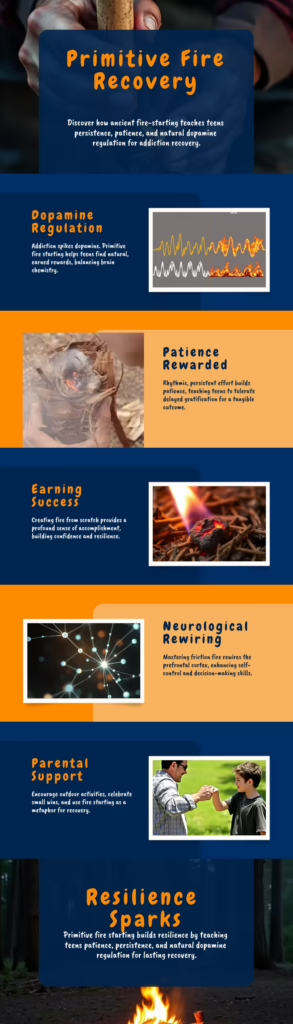
This post explores how primitive fire starting techniques can help teens regulate dopamine levels during early sobriety, providing a practical and meaningful tool for parents supporting their children through recovery.
Why Dopamine Regulation Matters in Early Recovery
Dopamine is a key brain chemical involved in motivation, reward, and pleasure. Tech and porn addiction flood the brain with rapid dopamine spikes, creating a cycle of craving and instant gratification. When teens stop using these stimuli, their brains struggle to find balance, often leading to frustration, mood swings, and relapse.
Learning to regulate dopamine means helping the brain tolerate delayed rewards and build resilience. This process is essential for long-term recovery but can be difficult for teens raised in a world of constant digital stimulation.
How Primitive Fire Starting Builds Dopamine Regulation
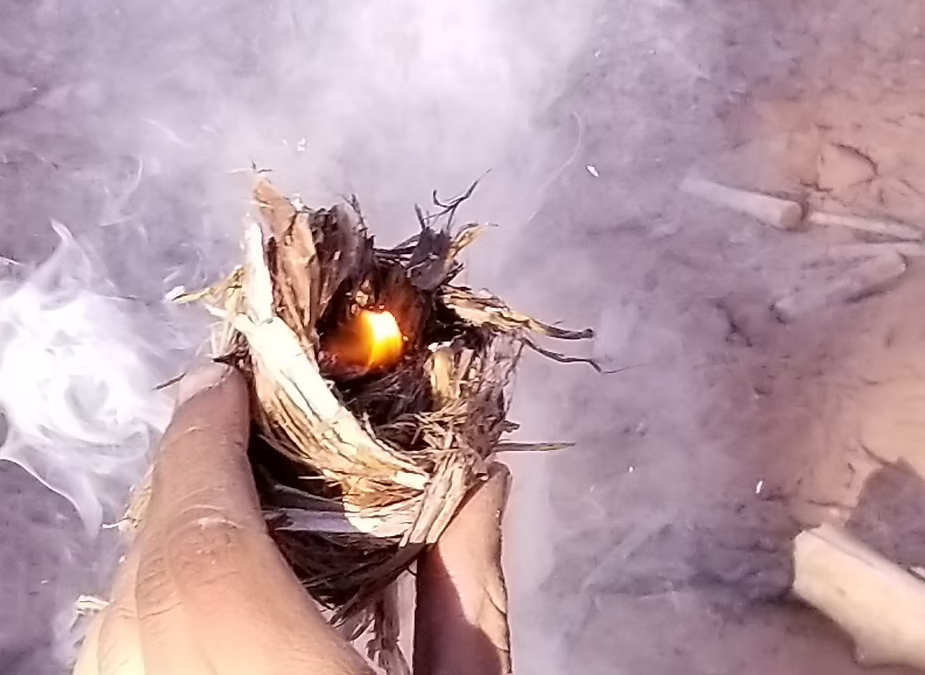
Primitive fire starting, such as using a bow drill or hand drill, requires grueling, rhythmic persistence. It strips away instant gratification and forces the brain to work hard for a small but meaningful reward: a glowing ember.
This process rewires the prefrontal cortex, the brain region responsible for self-control and decision-making. By mastering the friction fire, teens learn to:
- Tolerate frustration without giving up
- Develop patience through repetitive effort
- Experience a natural dopamine spike from earned success
- Build confidence in their ability to overcome challenges
The act of creating fire from raw elements of nature becomes a neurochemical milestone, marking the first “clean” dopamine spike in their recovery journey.
The Birth of the Coal as a Neurochemical Milestone
The moment when friction turns into a self-sustaining ember is more than a physical achievement. It represents a profound psychological breakthrough. For teens recovering from addiction, this ember is a symbol of hope and control.
- The ember signals the brain’s ability to generate reward without external substances.
- It creates a new neural blueprint for handling life’s challenges.
- It teaches the mind to find satisfaction in effort, not shortcuts.
In the Star Guides wilderness therapy program, many adolescent males experience this moment as their first major milestone. It often marks a turning point where they begin to trust their own persistence and resilience.
Practical Steps for Parents to Support This Process
If you are a parent of a teen struggling with tech or porn addiction, introducing primitive fire starting techniques can be a valuable part of recovery. Here are some ways to support this process:
- Encourage outdoor activities that involve hands-on skills like fire starting.
- Provide safe, supervised opportunities to practice friction fire techniques.
- Celebrate small wins, such as producing the first ember, to reinforce positive dopamine spikes.
- Use the fire starting process as a metaphor for recovery: progress requires patience and effort.
- Pair fire starting with other healthy habits like mindfulness, exercise, and social connection.
Why This Approach Works When Others Fail
Many teens relapse because their brains cannot handle the gap between effort and reward. Apps and quick fixes often fail to address this core issue. Primitive fire starting works because it:
- Removes digital overstimulation
- Forces the brain to earn its chemical rewards naturally
- Builds tolerance for frustration through physical, rhythmic effort
- Creates a tangible, meaningful goal that teens can achieve
This approach aligns with how the brain heals—slowly, through repeated practice and positive reinforcement.
Stories from the Wilderness: Real-Life Impact
In wilderness therapy programs like Star Guides, teens often describe the moment they create their first ember as life-changing. One young participant shared:
“I never thought I could do something so hard without giving up. When I finally saw that little spark, I felt like I could handle anything. It made me want to keep going, even when it’s tough.”
These stories highlight how primitive skills can reconnect teens with their inner strength and help them rebuild their brains for a healthier future.
Final Thoughts: Building Resilience One Spark at a Time
Helping teens recover from porn and tech addiction requires more than willpower. It demands rewiring the brain to find satisfaction in effort, not instant rewards. Primitive fire starting offers a unique, hands-on way to build this resilience.
By supporting your teen in learning this ancient skill, you help them create new neural pathways that regulate dopamine naturally. This process teaches patience, persistence, and self-control—qualities essential for lasting recovery.
If you are looking for practical tools to support your teen’s journey, consider introducing primitive fire techniques as part of a broader recovery plan. The first spark of ember could be the first spark of hope in their healing process.
Resources for Parents and Teens
If pornography and/or dangerous online sexual behaviors is causing significant distress or interfering with daily life, consider consulting a counselor or therapist experienced in adolescent addiction. Early intervention can prevent long-term problems. If your teen struggles with severe addiction or emotional distress, consider professional help. Therapists specializing in adolescent addiction can provide tailored strategies and counseling. Use the Recovery Toolbox for Teens, a comprehensive, structured program designed to deliver evidence-based treatment while offering meaningful guidance and support for both your adolescent and you as a parent throughout the recovery process.
In cases where serious safety risks or unmanageable behavioral issues are present—such as sexually acting out or having experienced sexual abuse, engagement in high-risk online behaviors, severe mental health crises (including suicidality, self-harm, debilitating anxiety, or depression), or when a teen has become entirely unresponsive to parental authority and the cycle of addictive or compulsive behavior can no longer be safely interrupted within the home environment—an intensive, highly structured therapeutic intervention is often essential. Star Guides Wilderness Therapy provides precisely this level of care: a clinically sophisticated, wilderness-based program specifically designed to stabilize acute risks, restore emotional regulation, and rebuild healthy family dynamics when standard outpatient or home-based approaches are no longer sufficient. This proven next-step intervention offers the containment, expert oversight, and transformative experiences that can mark the turning point toward lasting healing.