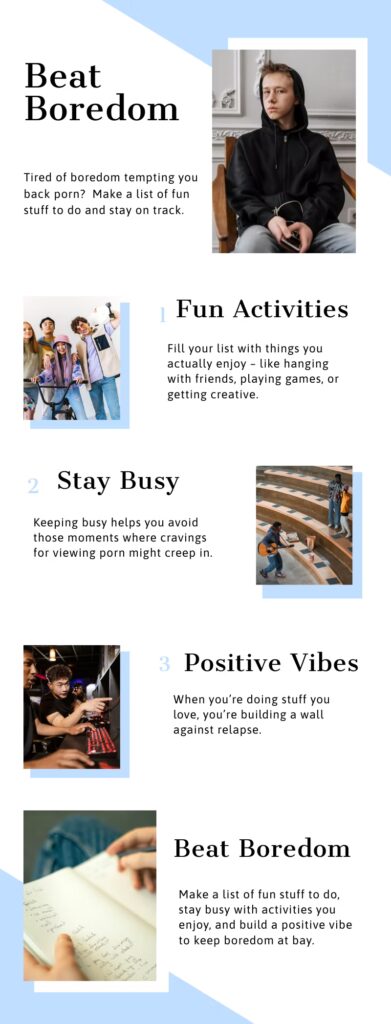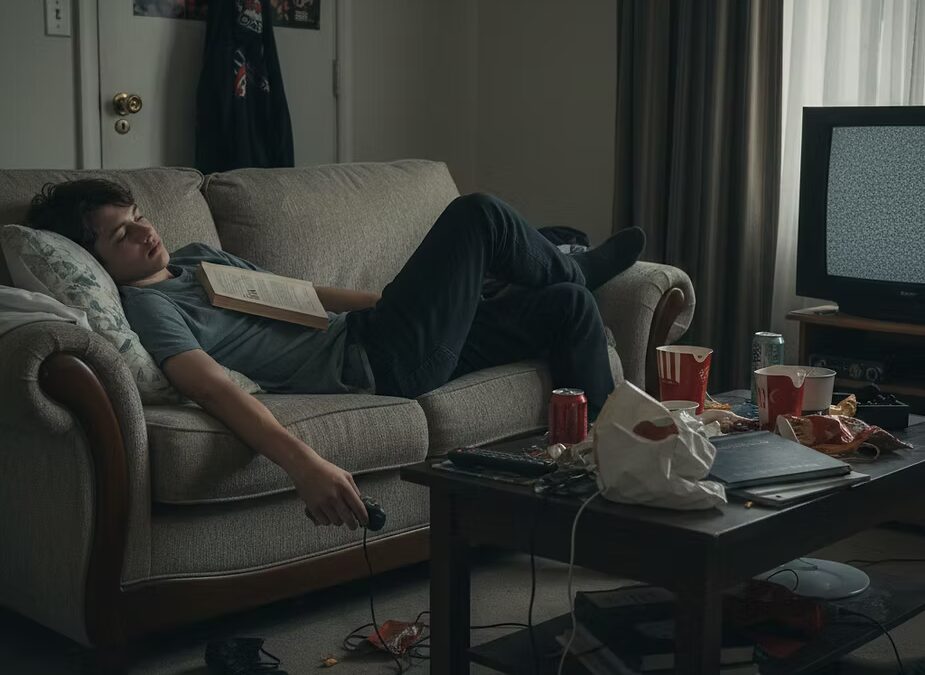
Pornography addiction among teens often hides behind feelings of boredom and a lack of purpose. When your teen feels restless or empty, they may turn to pornography as a quick source of stimulation. This temporary escape, however, leaves them feeling unfulfilled and can deepen the cycle of addiction. Understanding what boredom and lack of purpose feel like, recognizing the symptoms, and finding hopeful ways forward can help parents support their teens on the path to recovery.
What Boredom and Lack of Purpose Feel Like
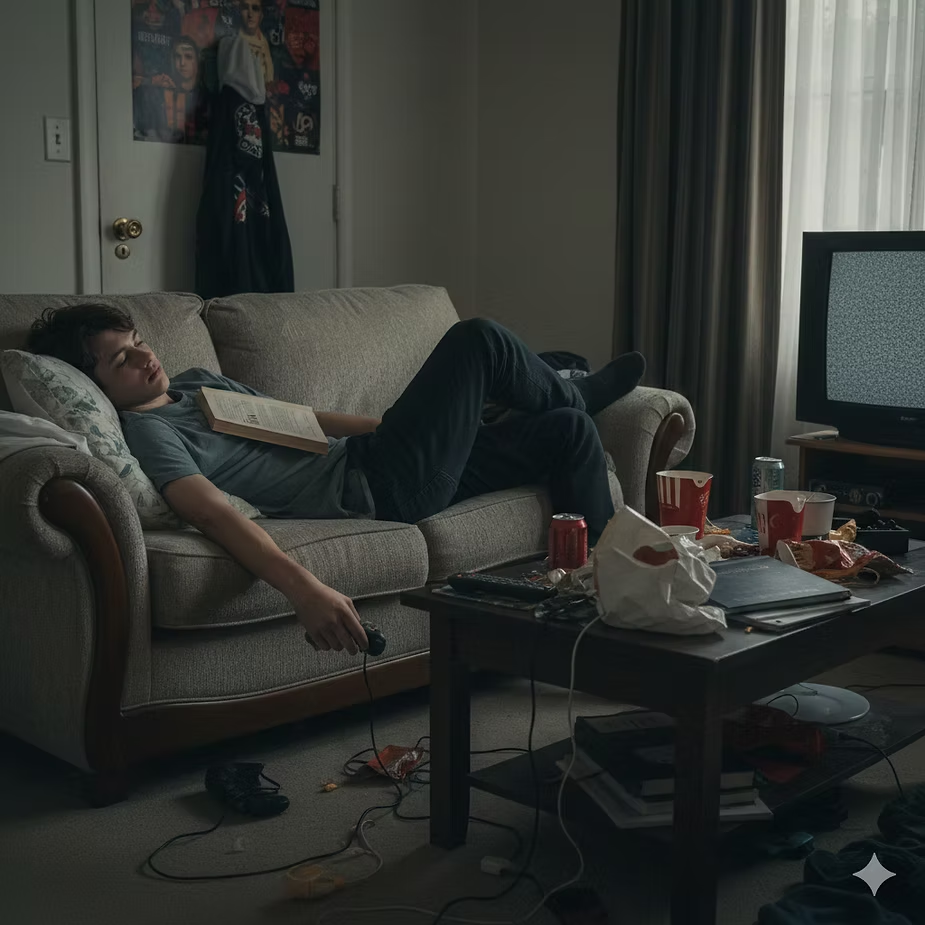
Boredom or a lack of purpose often shows up as a restless or empty feeling when life seems to lack meaning. Teens may describe this as a vague sense of dissatisfaction or longing for something more. This feeling can make idle time uncomfortable, pushing them toward easy sources of stimulation like pornography. Unfortunately, these quick thrills do not satisfy deeper needs and often increase feelings of emptiness afterward.
Recognizing the Symptoms
Parents can watch for signs that boredom or lack of purpose might be contributing to their teen’s pornography use. These symptoms appear in several areas:
- Cognitive Signs
Thoughts such as “Nothing excites me,” “My life’s pointless,” or “I’m wasting time” are common. Teens may struggle to focus or plan ahead.
- Emotional Signs
Restlessness, dissatisfaction, or a vague longing for “something more” often surface. Teens might seem unsettled or unhappy without a clear reason.
- Physical Signs
Fidgeting like tapping feet, pacing, or a sluggish, heavy feeling in the body, can occur. Restless sleep or low energy may result froma lack of meaningful engagement.
- Behavioral Signs
Procrastination, aimless scrolling on devices, or turning to pornography for a quick “spark” followed by emptiness or frustration are common behaviors.
A Hopeful Way Forward
Helping your teen fill their time with meaningful activities can reduce boredom and provide a sense of purpose. Scheduling purposeful tasks combats idleness and supports healthier habits. Research from a 2021 study published in Frontiers in Psychology found that engagement in meaningful activities links to reduced compulsive behaviors, including pornography use.
Here are practical steps parents can take:
- Encourage hobbies that match your teen’s interests, such as art, music, sports, or reading.
- Support volunteering opportunities that connect your teen with community and purpose.
- Help your teen set small, achievable goals to build confidence and focus.
- Explore new learning experiences together, like workshops, clubs, or online courses.
- Create a daily or weekly schedule that balances responsibilities and enjoyable activities.
Real-Life Example: David’s Journey
David, a 17-year-old high school senior, often felt bored on weekends. He described his life as dull and found himself pacing restlessly around the house. Chores piled up as he procrastinated, and pornography became a quick way to feel excitement. However, the thrill was short-lived, leaving him feeling empty and frustrated.
David’s parents encouraged him to join the cross country team and get involved in their church youth group. These activities gave him a sense of belonging and purpose. He started planning weekend hikes with friends, which gave him something to look forward to. Over time, David’s pacing decreased, his energy improved, and he found it easier to focus on schoolwork. His pornography use dropped as he replaced idle time with meaningful engagement.
Supporting Your Teen’s Path
Parents play a crucial role in helping teens overcome pornography addiction linked to boredom and lack of purpose. Open conversations about feelings and struggles create trust. Encouraging exploration of interests and supporting new activities can build a stronger sense of meaning. Remember, change takes time, and small steps forward matter.
If your teen’s addiction feels overwhelming or persistent, consider seeking professional support. Therapists or counselors specializing in adolescent addiction can provide tailored guidance.
Helping your teen find purpose and fill their time with meaningful activities not only reduces boredom but also builds resilience against addictive behaviors. This approach fosters healthier habits and a more fulfilling life.
Seek Professional Help When Needed
Therapists or counselors specializing in adolescent addiction can offer tailored guidance and support. Utilize the Recovery Toolbox for Teens for a structured approach to the treatment that provides support for both your teen and you as a parent.
When significant safety risks or behavioral concerns are present—such as sexual acting out, sexual abuse, dangerous online activity, severe mental health challenges (including suicidality, self-harm, anxiety, or depression), or when a teenager has become unresponsive to parental guidance and the addictive cycle can no longer be interrupted in the home environment—an intensive, structured intervention like Star Guides Wilderness Therapy may be the most appropriate and effective next step.